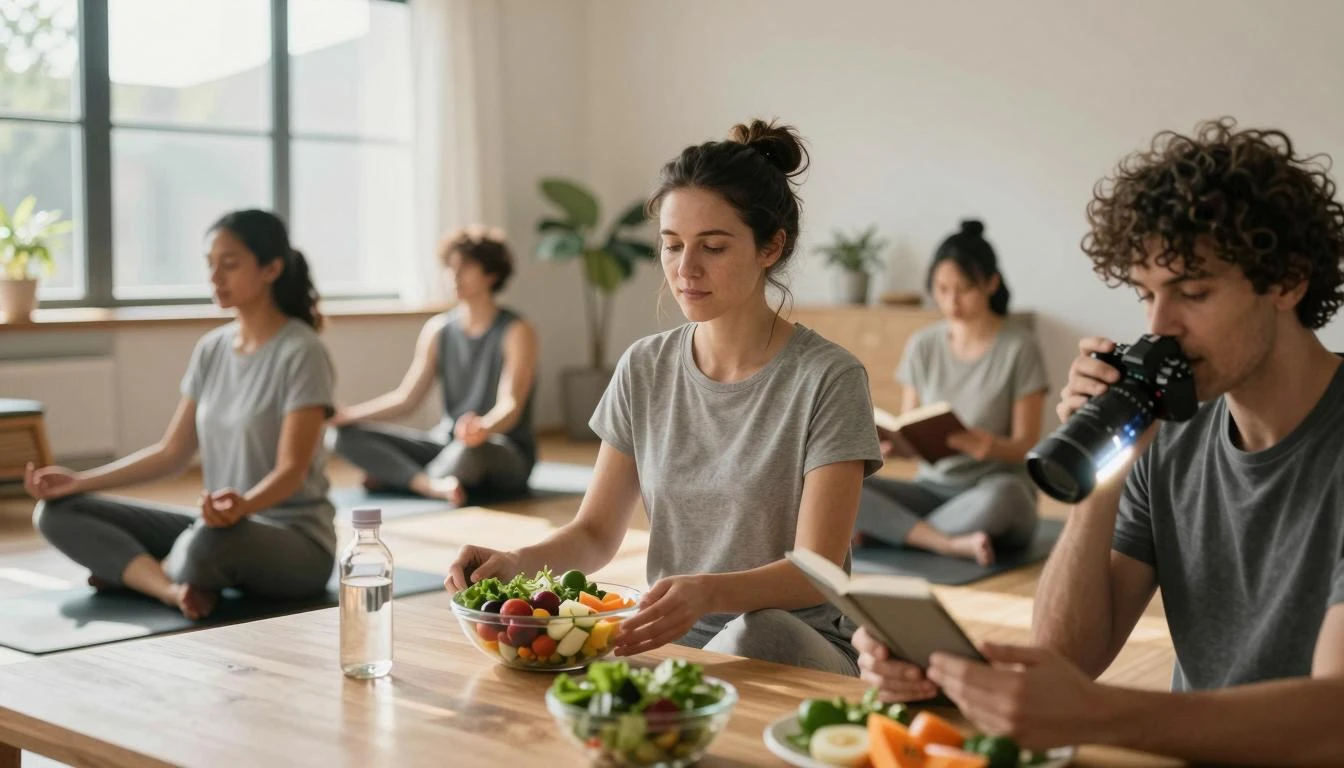
Lifestyle Tips For Better Balance

Balance is no longer a luxury, it has become an essential part of living well in today's fast, paced world. Between demanding careers, personal responsibilities, and constant digital distractions, maintaining physical and mental well, being has never been more challenging. Health experts continue to emphasize the importance of regular physical activity, quality sleep, and effective stress management as the foundation of a healthier life.
If you are looking for practical lifestyle tips for balanced living, the best place to start is with small, realistic changes that fit naturally into your everyday routine. Building healthier boundaries, creating intentional schedules, prioritizing recovery, and developing mindful habits can significantly improve your overall quality of life while supporting a sustainable healthy work life balance.
Finding Balance in a Fast Paced World
Modern life is noisy. Notifications, deadlines, family responsibilities, and personal goals all compete for the same 24 hours, and that is where balance starts to slip. The goal is not to do everything. The goal is to create a deliberate cadence where your time, attention, and energy are used with intention.
Managing personal and professional life
A healthy work life balance begins with simple structure. Set clear start and stop times for work, decide which tasks truly matter, and separate must do today from, can wait until tomorrow.
Reducing stress through healthy habits
Stress shrinks when the body gets support. A brisk walk, a short stretch break, a full glass of water, or a quiet five, minute reset can interrupt the spiral before it grows. WHO recommends at least 150 minutes of moderate, intensity physical activity per week for adults, and that benchmark matters because movement supports both physical health and mental well, being.
Understanding modern lifestyle challenges
One of the biggest lifestyle challenges today is invisible overload. People often feel tired not because they are doing one huge thing wrong, but because they are doing too many small things without recovery.
Practical Lifestyle Tips for Everyday Balance
This is where balance gets practical. The most effective changes are rarely dramatic. They are specific, repeatable, and easy enough to keep on your busiest day. That is what makes them SEO, smart too, they answer the reader’s real question, which is how to make life feel more manageable without adding more pressure.
Creating realistic daily schedules
Use a schedule that respects reality. Block time for deep work, meals, movement, and rest. Keep the list short enough that you can finish it. A realistic schedule is more sustainable than a perfect one, because consistency beats intensity over time.
Prioritizing physical and mental wellness
The strongest routines protect both body and mind. Adults need at least 7 hours of sleep, and WHO recommends regular physical activity because it supports health, well, being, and disease prevention.
Setting healthy boundaries with technology
Technology can be useful, but it can also drain the day without asking permission. Research from CDC shows that high screen time can crowd out sleep and physical activity, and that pattern matters because it leaves less room for the habits that keep you steady.
Building a More Meaningful Lifestyle
Balance is not only about efficiency. It is also about meaning. A life can look organized on paper and still feel empty if it has no connection, no quiet, and no room for joy.
Strengthening relationships and connections
Social connection matters more than many people realize. NIH notes that socially connected people tend to live longer and face lower risks for serious health problems, while loneliness and social isolation are linked with higher health risks. That means a phone call, a shared meal, or a real conversation can do more than lift your mood, it can support your overall well, being.
Practicing gratitude and mindfulness
Gratitude slows the mental rush. Mindfulness steadies it. APA says mindfulness can help people avoid destructive or automatic habits, and the research, backed benefits of meditation include lower stress and better emotional control. You do not need a perfect routine here. Even a few quiet minutes of reflection can soften the day’s rough edges.
Making time for hobbies and relaxation
Hobbies are not wasted time. They are part of maintenance. Reading, drawing, cooking, music, nature walks, or gaming in moderation can help the mind switch modes and recover from constant output. Relaxation gives your nervous system a signal that life is safe enough to slow down, and that signal matters more than people usually admit.
Start Living a More Balanced and Fulfilling Life
The best part about balance is that it does not require a reinvention. It requires a few honest decisions repeated often enough to become your normal. That is where the long, term payoff lives, lower friction, better focus, and a steadier sense of control.
Small lifestyle changes with big impact
Start small and stay specific. Wake up at the same time most days. Take a ten, minute walk after lunch. Put your phone away before bed. Eat without screens once a day. These tiny actions may seem unimpressive, but together they create a stronger foundation than one dramatic reset ever could.
Staying consistent with positive habits
Consistency works because it removes decision fatigue. When a habit becomes automatic, you no longer have to negotiate with yourself every morning. That is why the most effective lifestyle tips for balanced living are usually boring in the best way, they are simple enough to repeat and strong enough to matter.
Building long term happiness and stability
Long, term stability comes from routines that support your body, your mind, and your relationships at the same time. WHO continues to emphasize movement, sleep, and reduced inactivity as major health anchors, while CDC and NIH data keep reinforcing the value of rest and connection.
Maintaining a Balanced Lifestyle for the Future
The future will probably stay busy, digital, and demanding. That is exactly why balance should be treated like a skill, not a mood. When you keep your schedule realistic, your boundaries clear, and your recovery non, negotiable, you create a life that can handle pressure without falling apart.